


The Complete Guide to DESS MUA Workflows
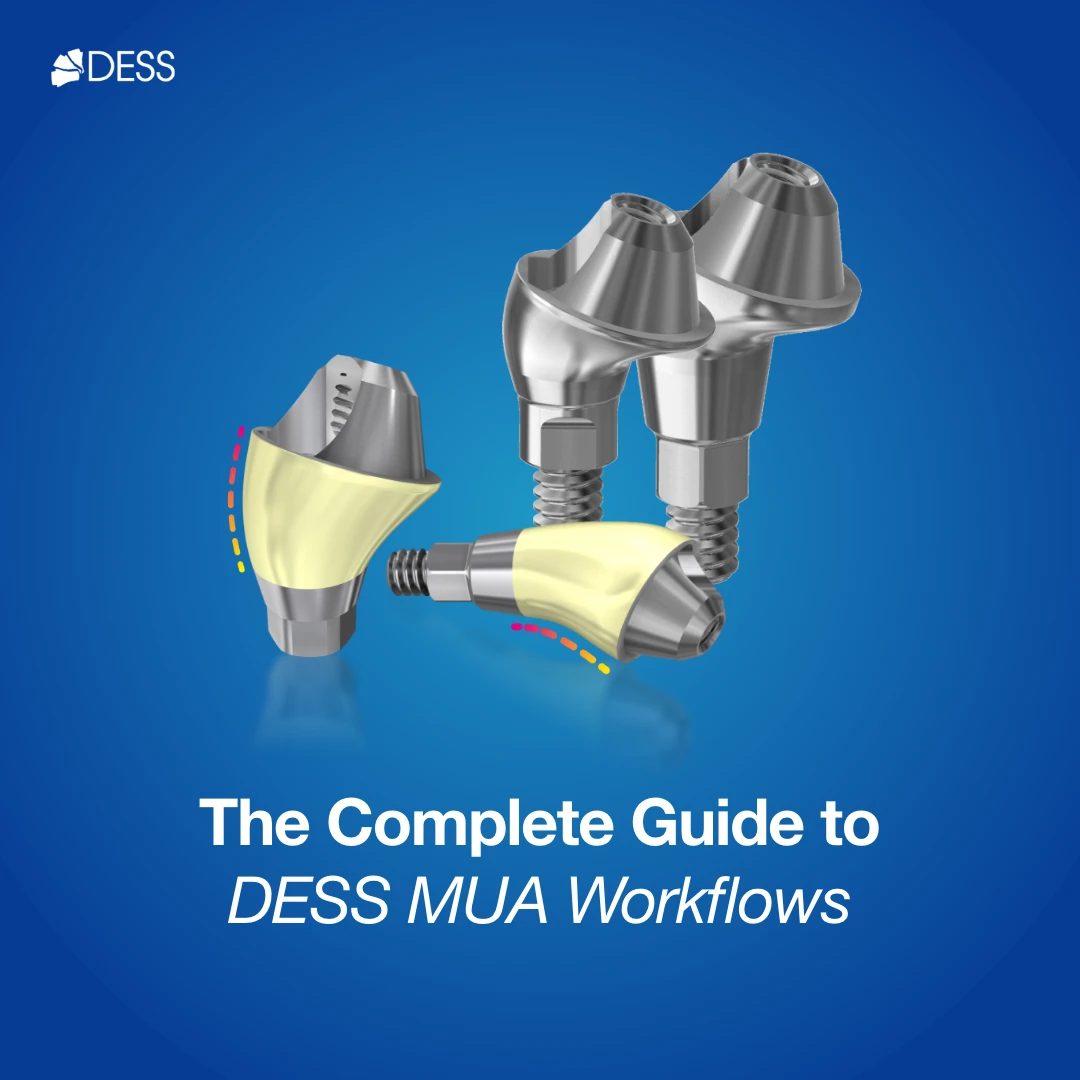
Selecting the proper prosthetic components for complex full-arch cases is pivotal in achieving a stable, long-term outcome. DESS Multi-Unit Abutments (MUAs) are an industry staple for "All-on-X" treatments due to "Pure Switch" concept—offering 100% compatibility with original implant brands while providing a standardized restorative platform.
In a modern dental practice, the transition from analog to digital workflows ensures greater precision and significantly reduced chair time. Below is a comprehensive overview of how to integrate DESS Multi-Unit Abutments into a fully digital workflow.
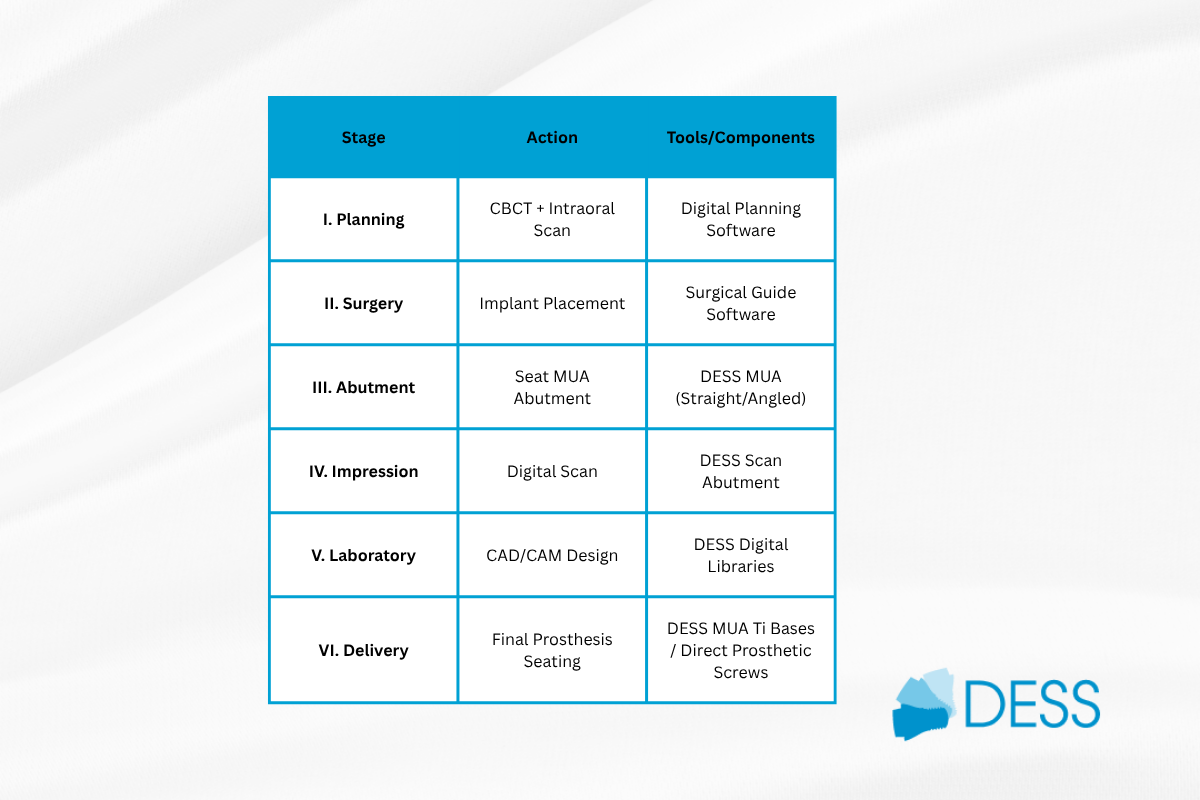
1) Clinical Assessment & Pre-Surgical Planning
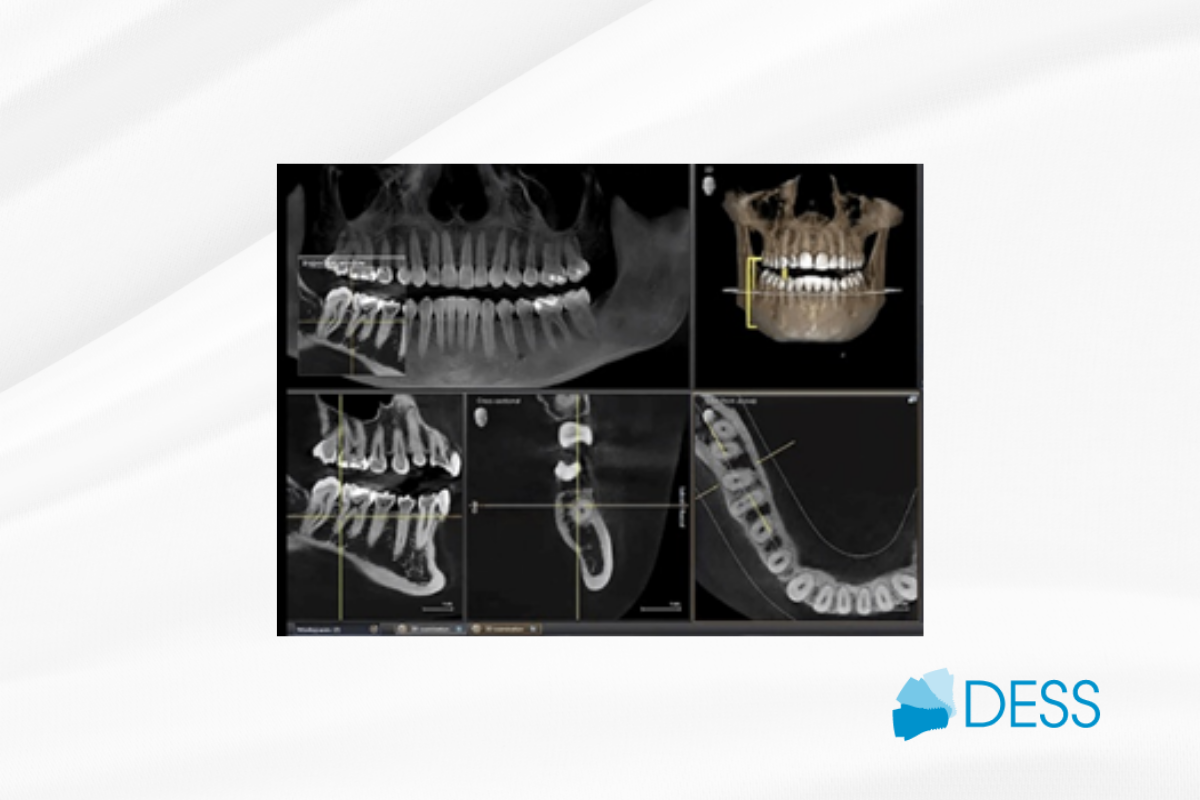
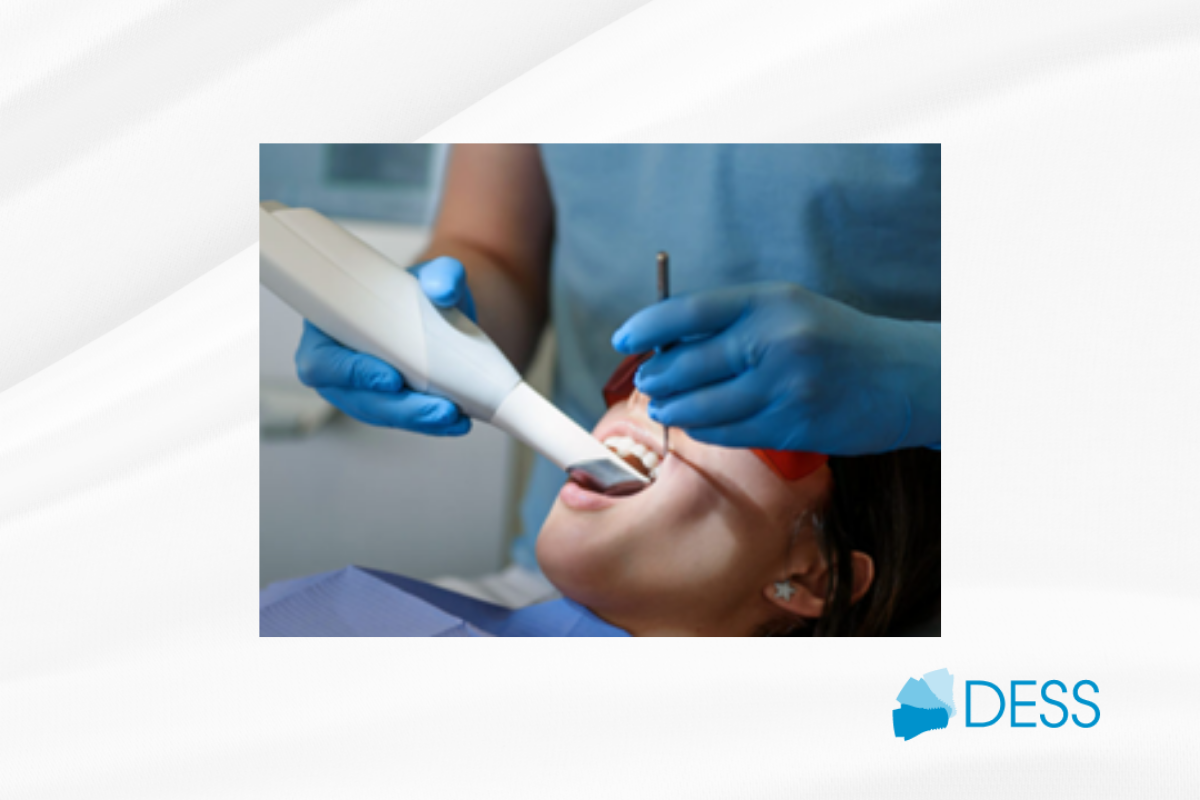
The workflow begins with a comprehensive patient assessment using a CBCT (Cone Beam Computed Tomography) scan and an intraoral surface scan.
- CBCT Scan: Evaluates bone density and quality.
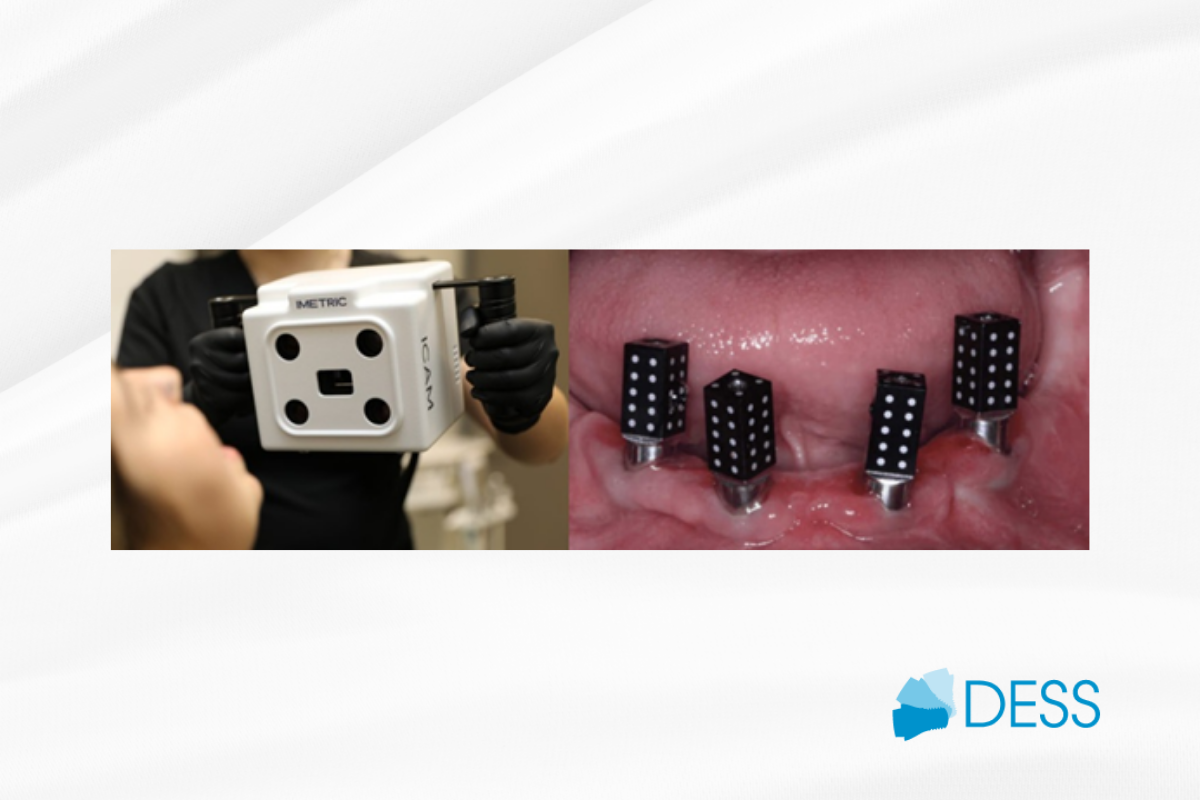
- Intraoral / Photogrammetry Scan: Captures the current soft tissue and tooth position.
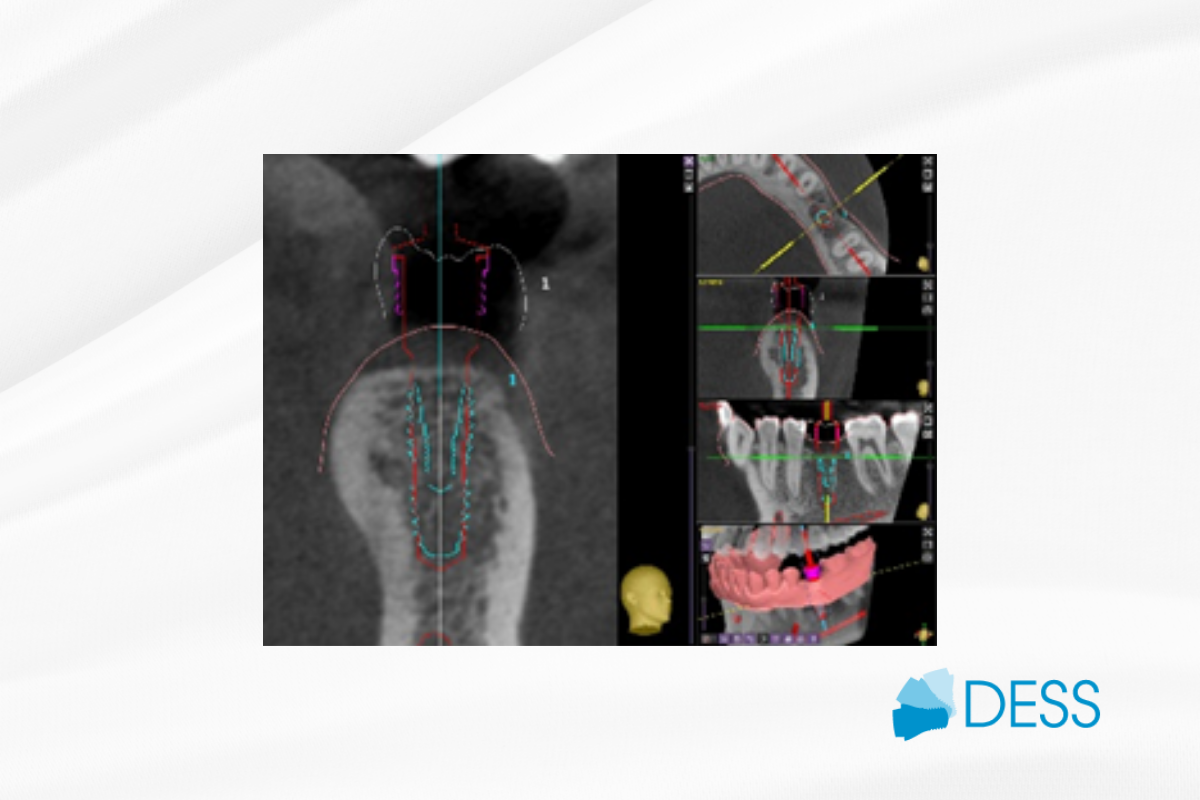
- Virtual Planning: Using Surgical Guides & Implant Planning Software, the dentist can virtually plan the implant positions. This determines the necessity for angled Multi-Unit Abutments (MUAs) to ensure a parallel screw access for the final bridge.
2) Surgical Phase & Abutment Selection
During the surgical procedure, the implants are placed following the digital surgical guide.
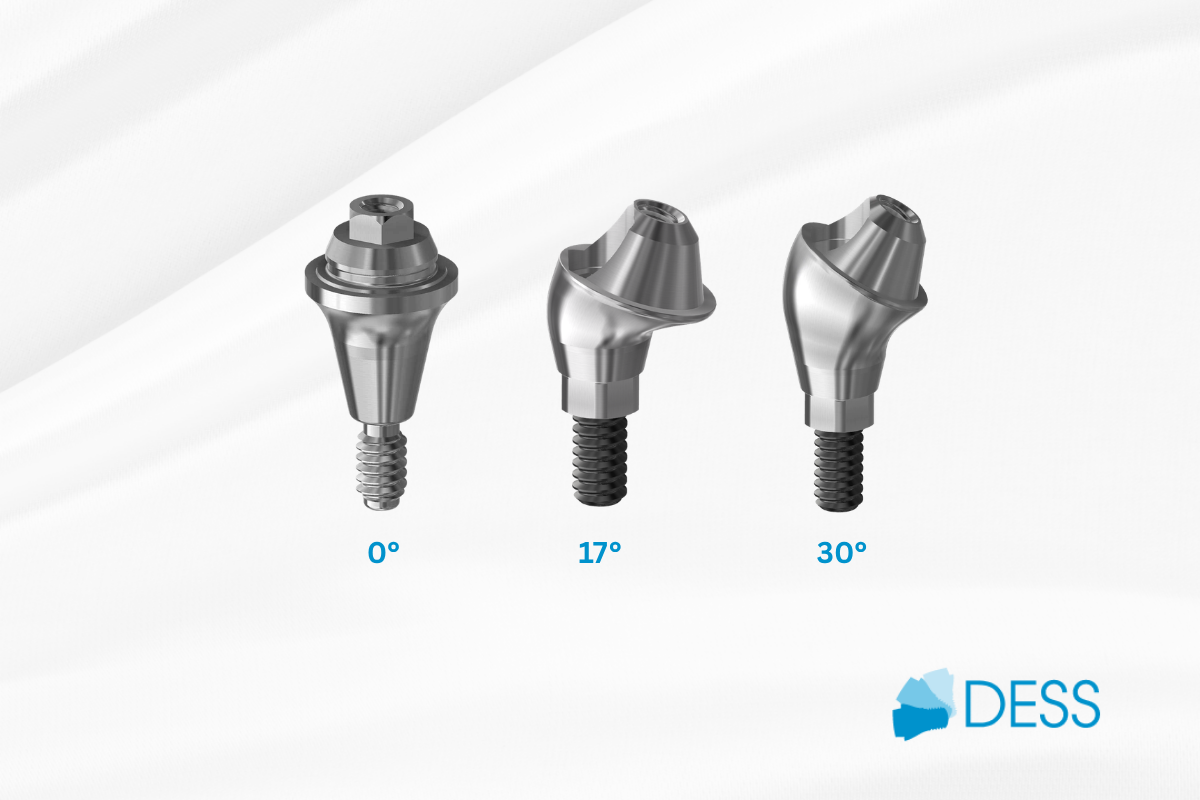
- Selecting the MUA: DESS offers MUAs in straight (0°), 17°, and 30° angulations with varying gingival heights (1mm to 5mm).
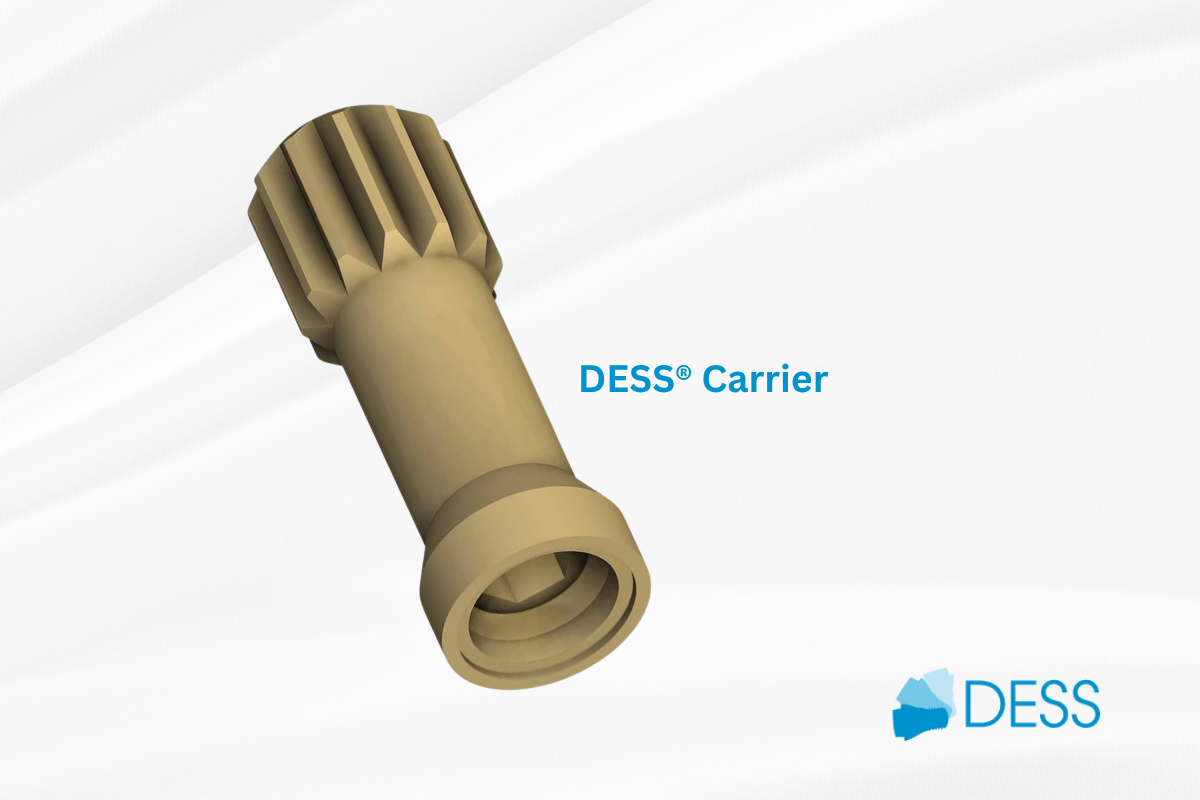
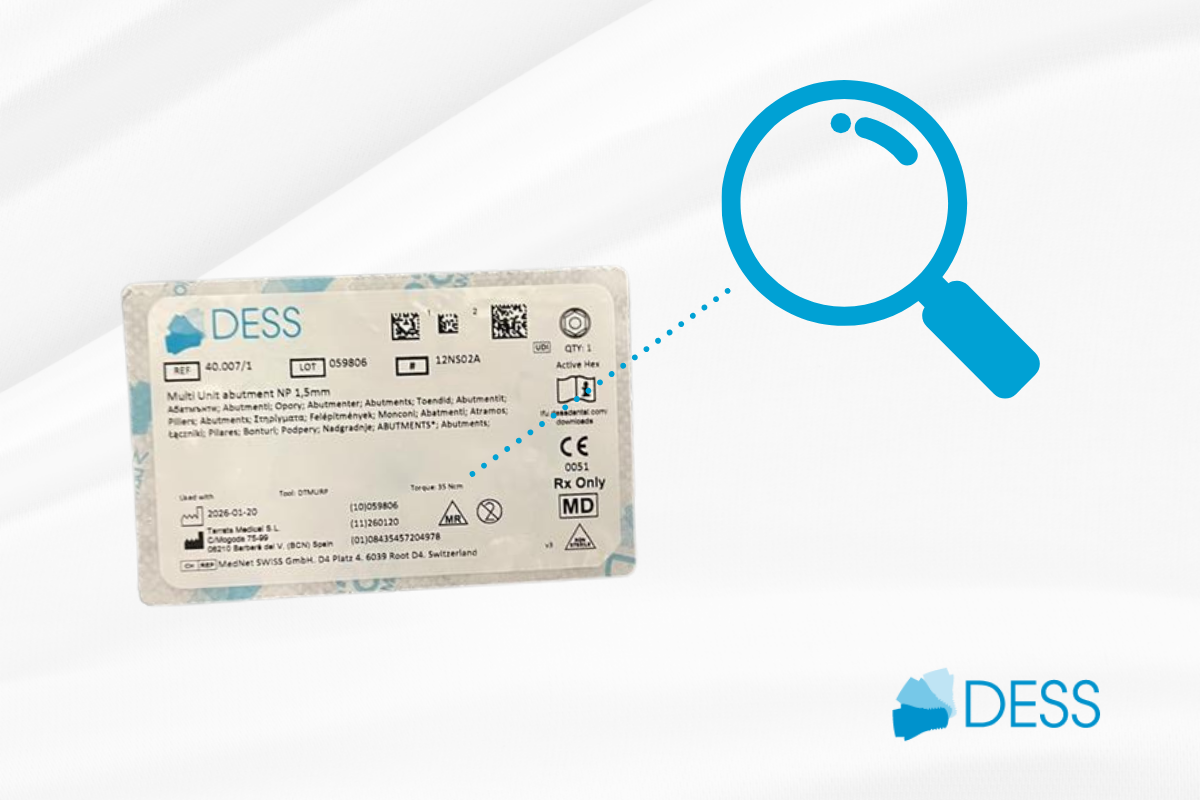
- Placement: Use the DESS carrier (included with the Multi-Unit Abutment) to easily seat the MUA into the implant. After positioning, tighten it with the appropriate prosthetic driver, following the recommended torque value. The correct torque is provided on the label of the DESS Multi-Unit Abutment package.
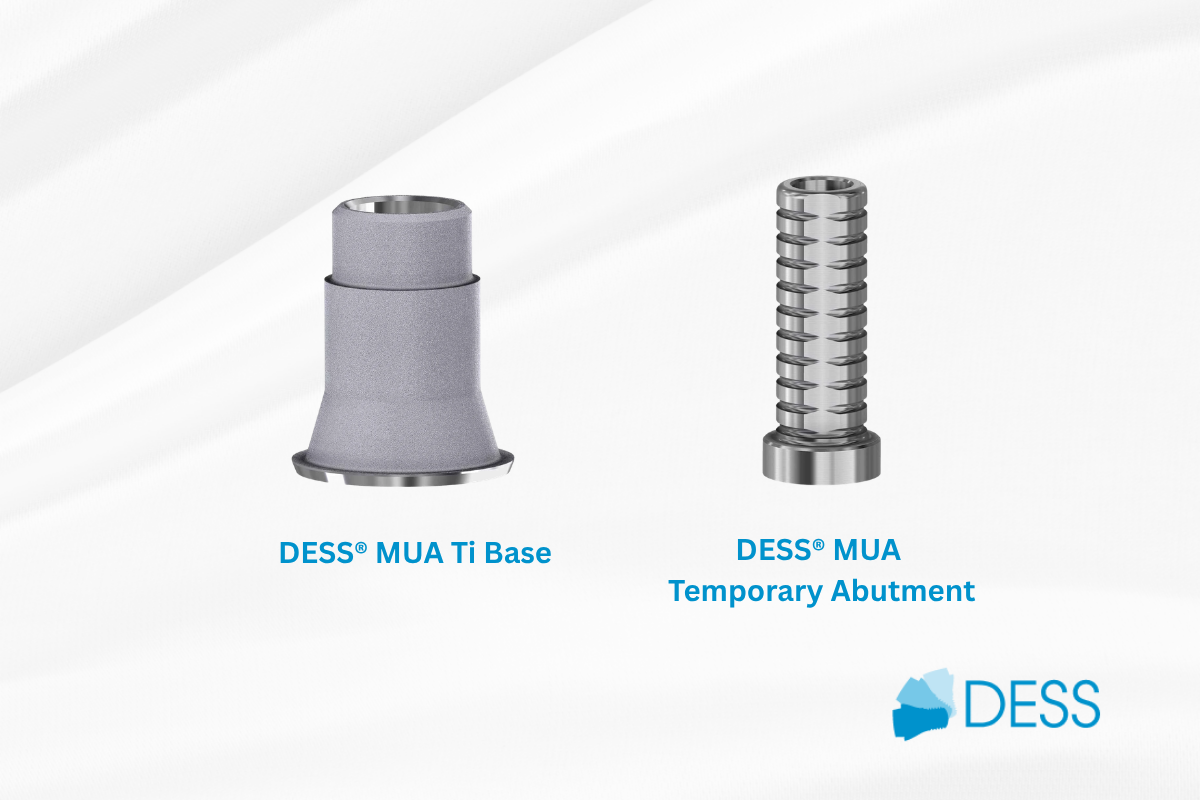
- Immediate Loading (Optional): If adequate primary stability is achieved, a temporary restoration can be digitally designed using DESS MUA Ti Bases or fabricated manually using DESS MUA Temporary Abutments, allowing for same-day delivery.
3) The Digital Impression (Scanning Phase)
Once the MUAs are securely in place and the tissues have healed (or immediately for "All-on-X" cases), the digital impression is taken.
- Scan Abutments: Place DESS Scan Abutments onto the MUAs. These high-precision components allow the intraoral scanner to identify the exact 3D position and orientation of the implant platforms.
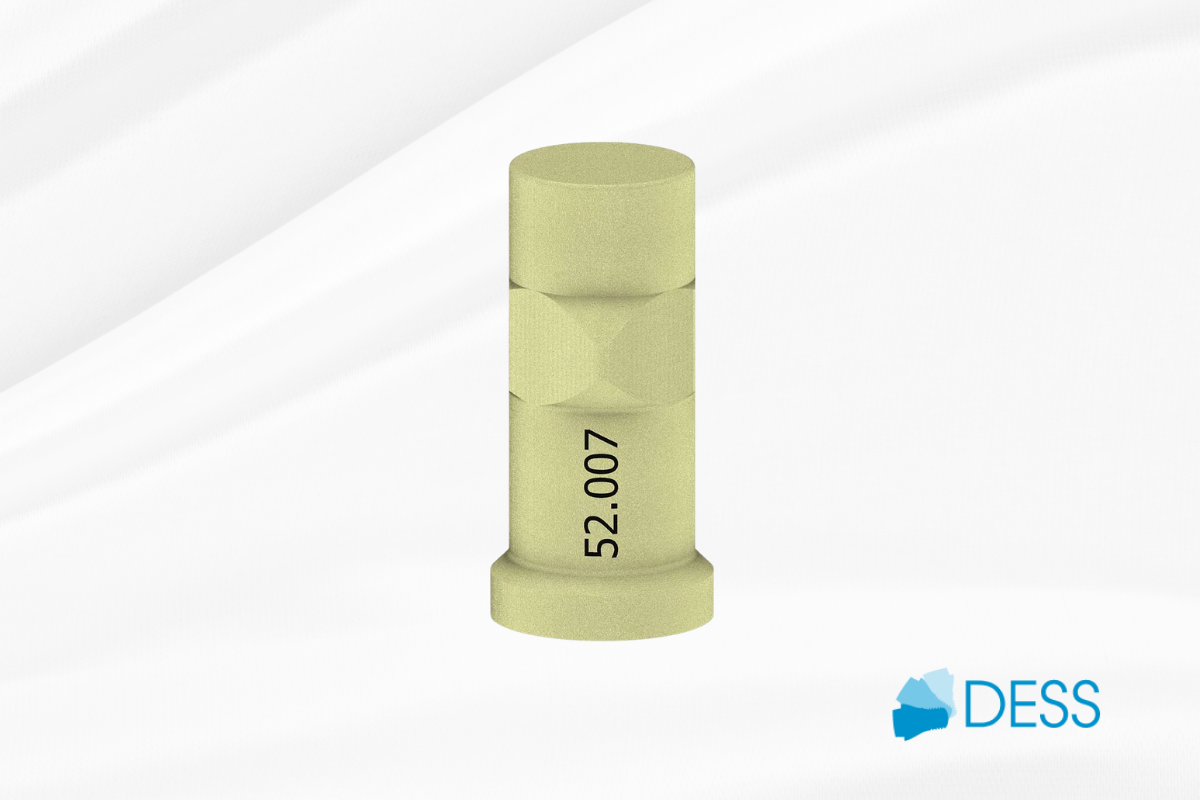
- Intraoral / Photogrammetry Scanning: Scan the arch with the scan bodies, the opposing arch, and the patient's bite registration.
4) Digital Design & Fabrication
The digital files (typically .STL or .PLY) are sent to the dental lab.
- CAD Design: Using libraries for 3Shape, exocad, Dental Wings, etc., the technician designs the framework or full-arch bridge with the DESS MUA Libraries.
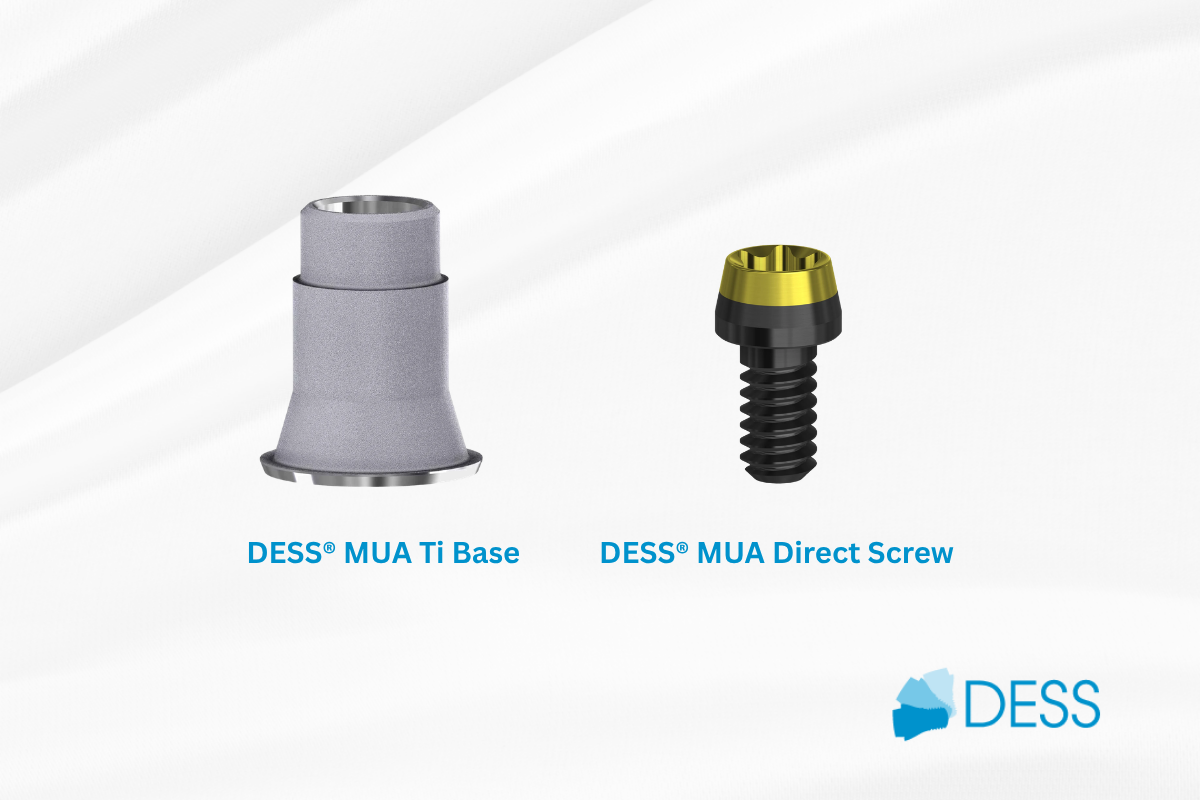
- CAM Production: The restoration is then milled or 3D printed. DESS offers Ti-Bases and MUA Direct Prosthetic screws that are specifically designed for high-strength digital restorations.
5) Final Delivery
The final prosthesis is delivered and secured to the MUAs using prosthetic screws. Because the DESS platform is standardized, the vertical screw access allows for straightforward insertion. In cases with significant implant divergence, the DESS ASC screw can accommodate adjustments of up to 25° in the screw access hole.
Digital Workflow Flowchart:
Key Advantages of the DESS Digital Workflow
- Standardization: All DESS MUAs use the same prosthetic connection (based on the Nobel® Biocare MUA design), meaning you only need one set of tools regardless of the implant brand used.
- Periocoat® Surface: DESS MUA+ features a specialized coating that reduces plaque adhesion and promotes healthier soft tissue adaptation.
- Passive Fit: Digital workflows eliminate the inaccuracies of traditional stone models, ensuring a "passive fit" of the bridge—which is critical for preventing implant failure.
- Time Efficiency: By skipping physical impressions and physical models, the "chair time" for both the doctor and patient is cut in half.
For more detailed technical specifications or to download the latest digital libraries, you can visit the official DESS Dental website.